🎭
GPT Image 2 Character Sheet Prompts
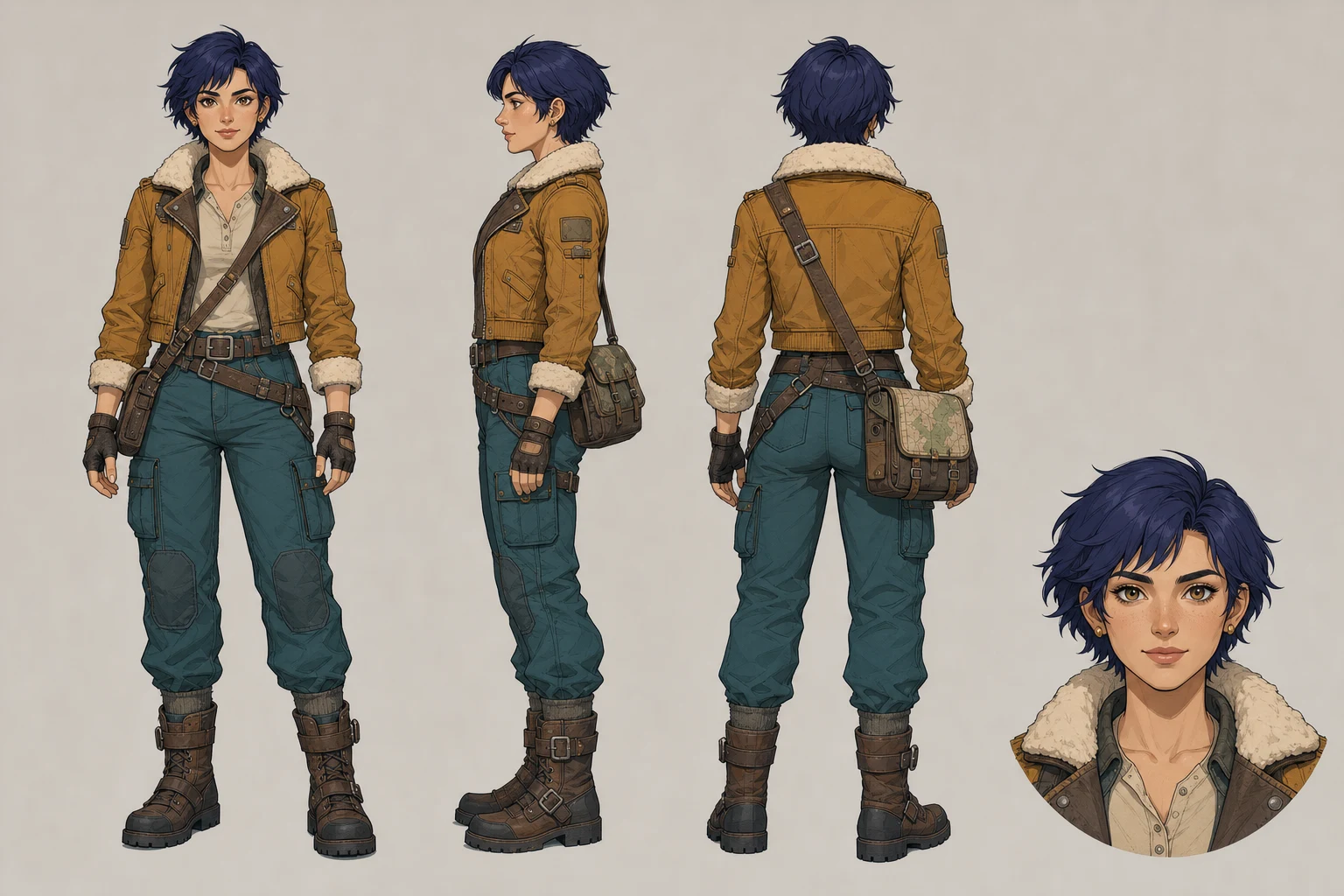
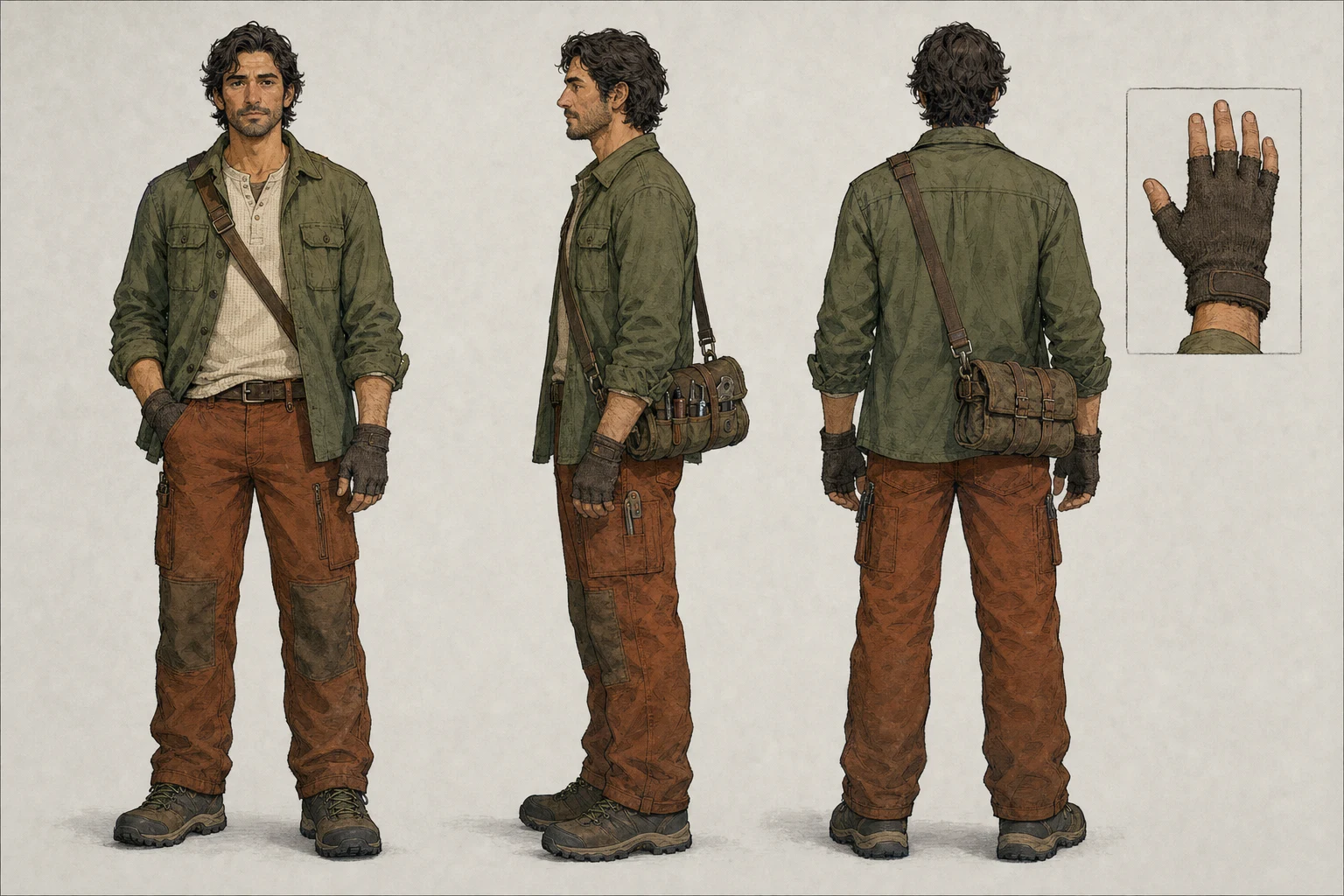
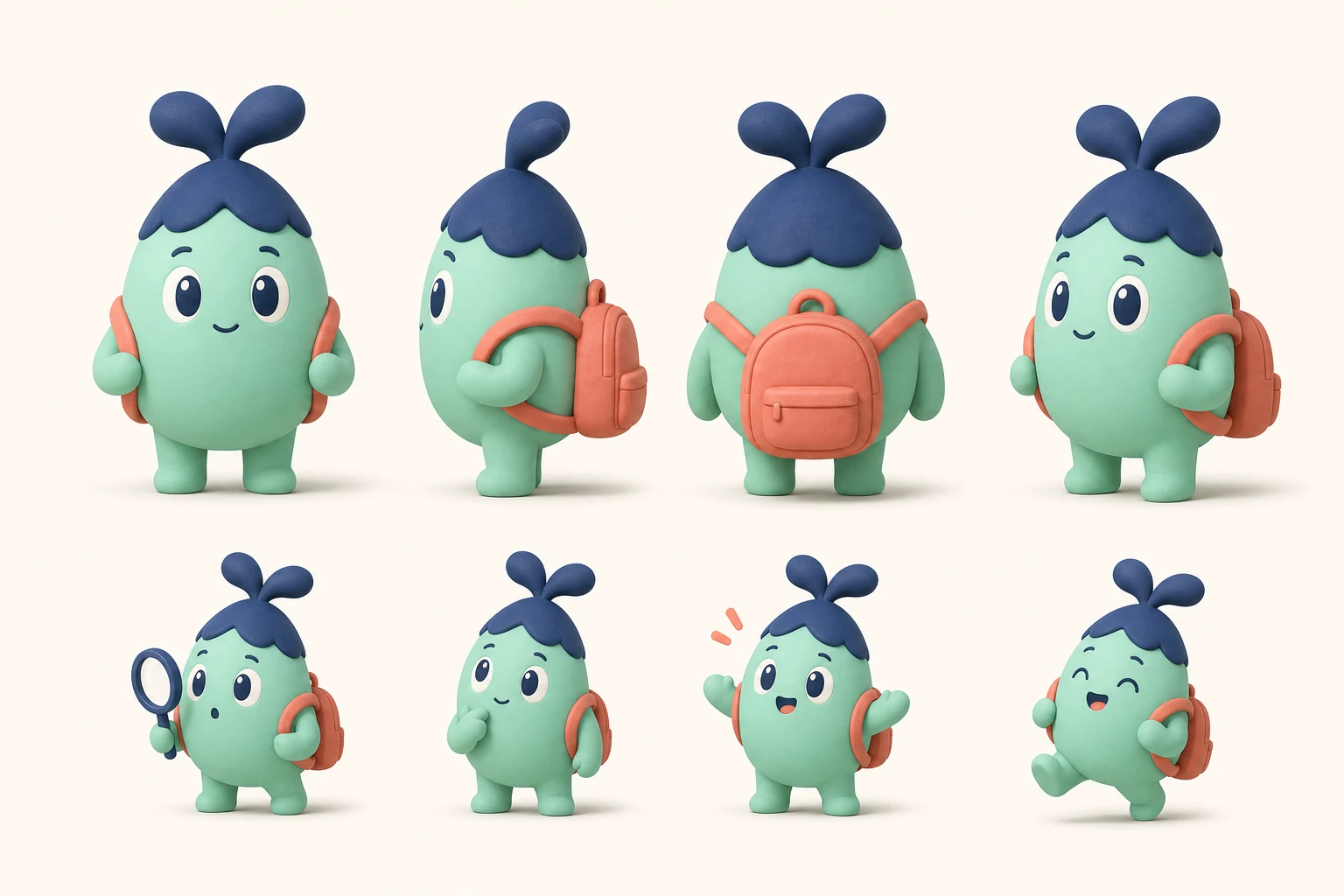
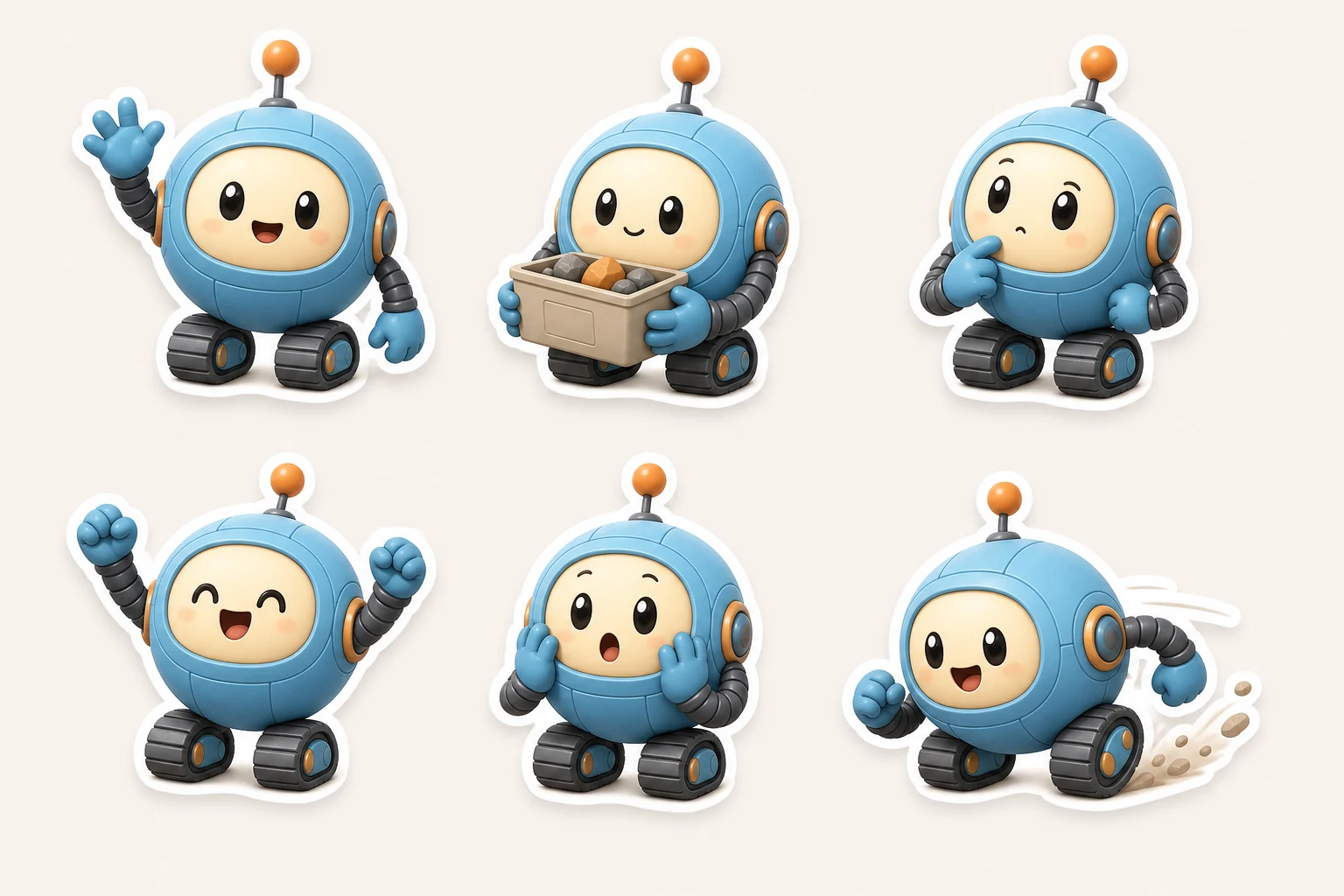
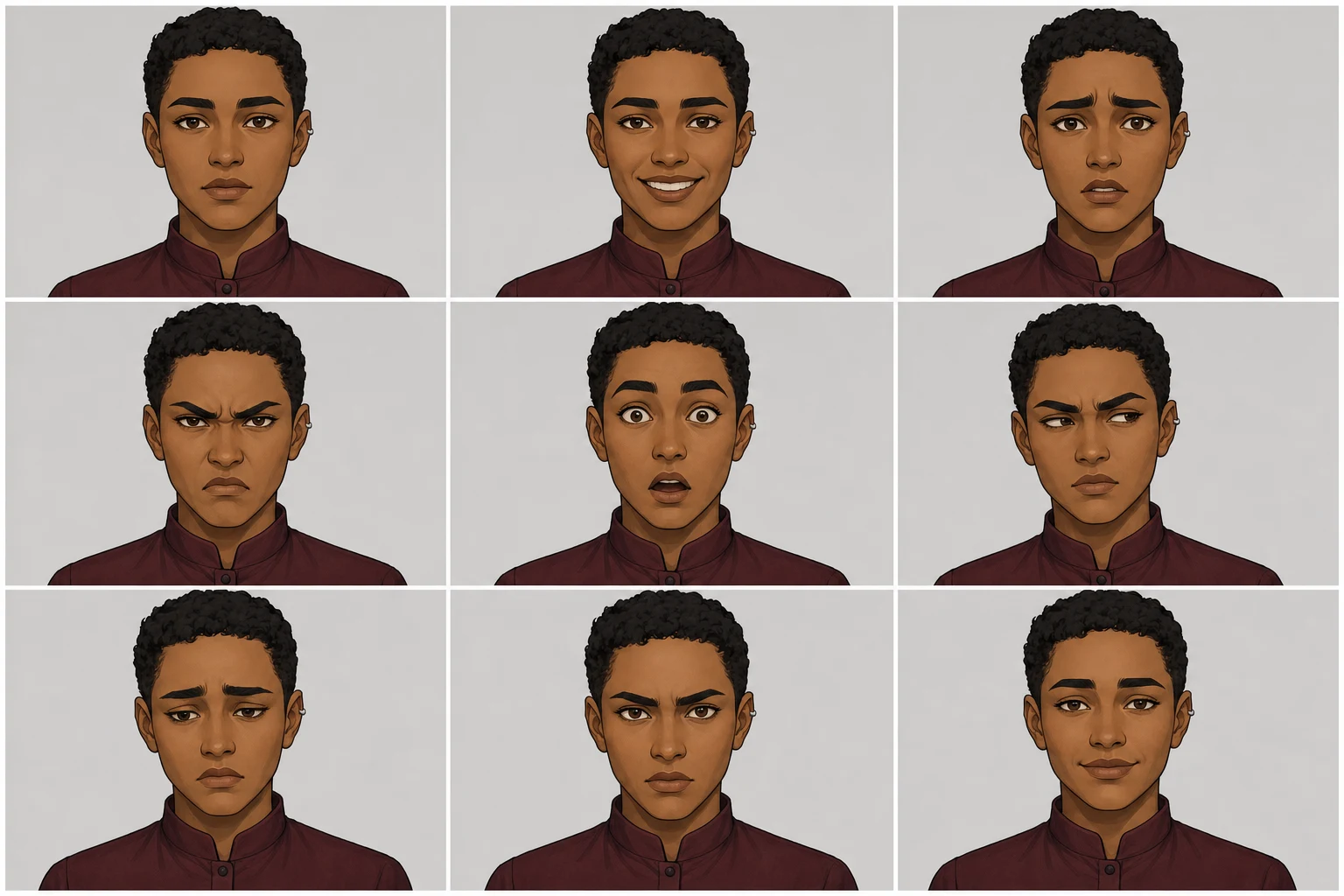
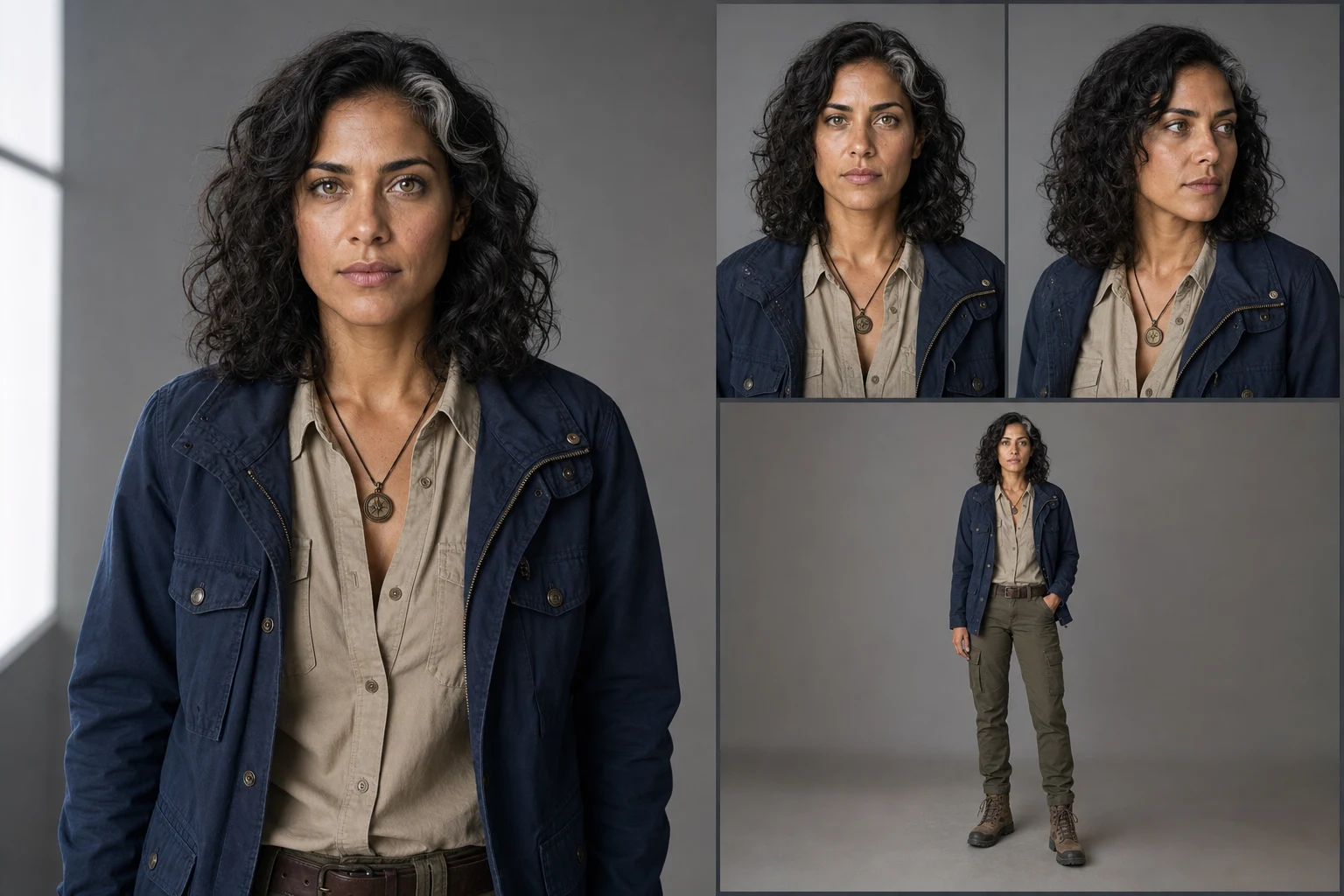
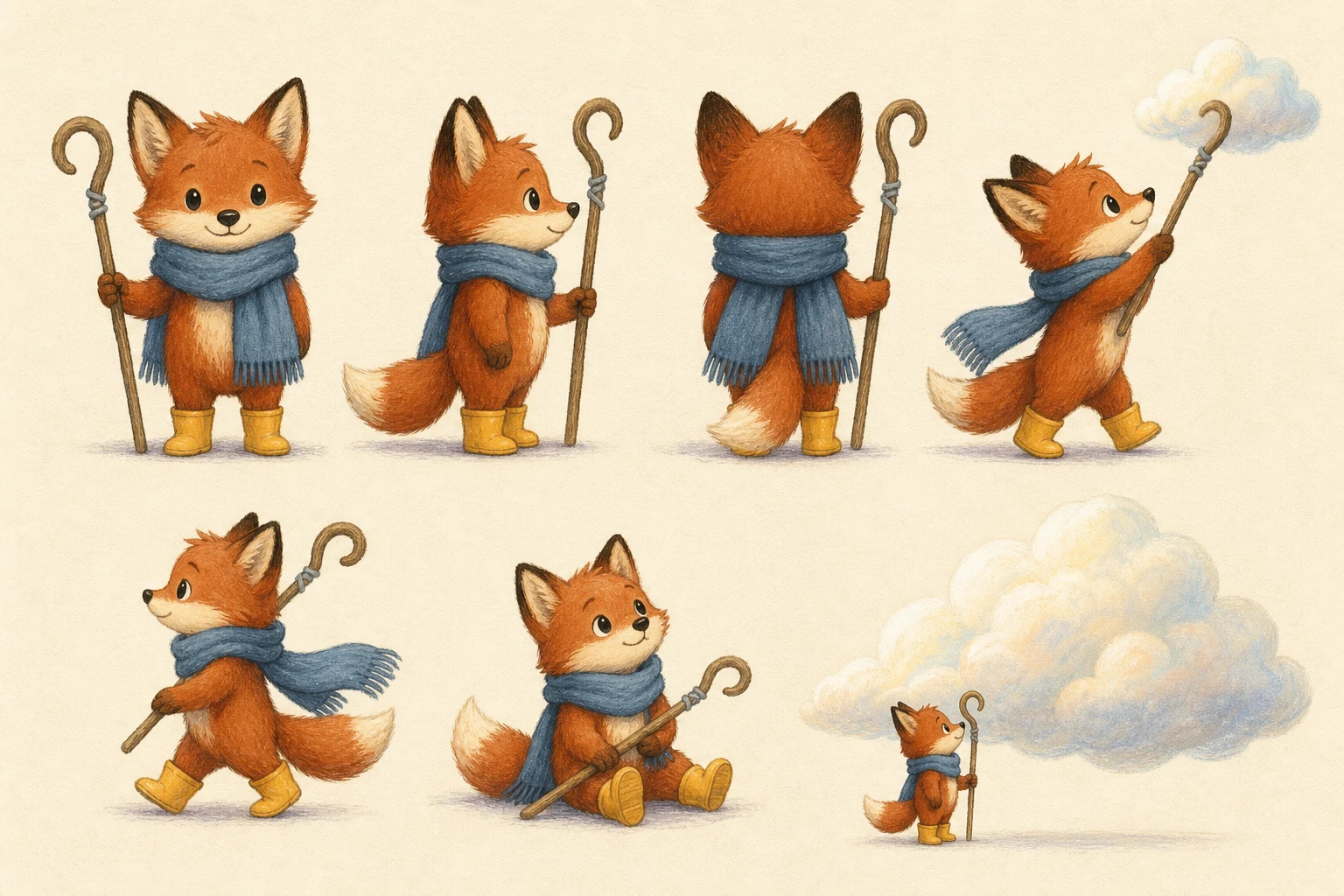
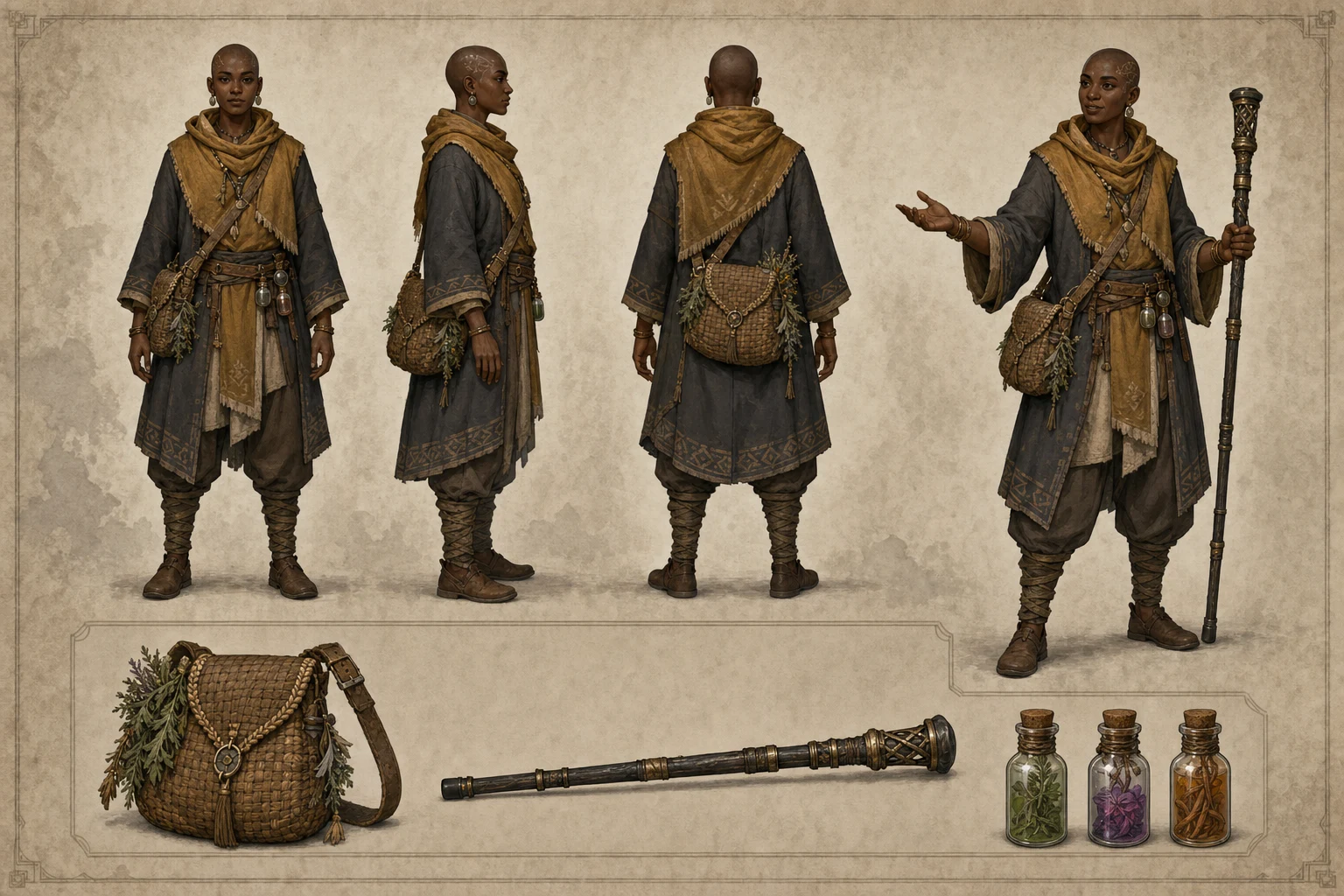
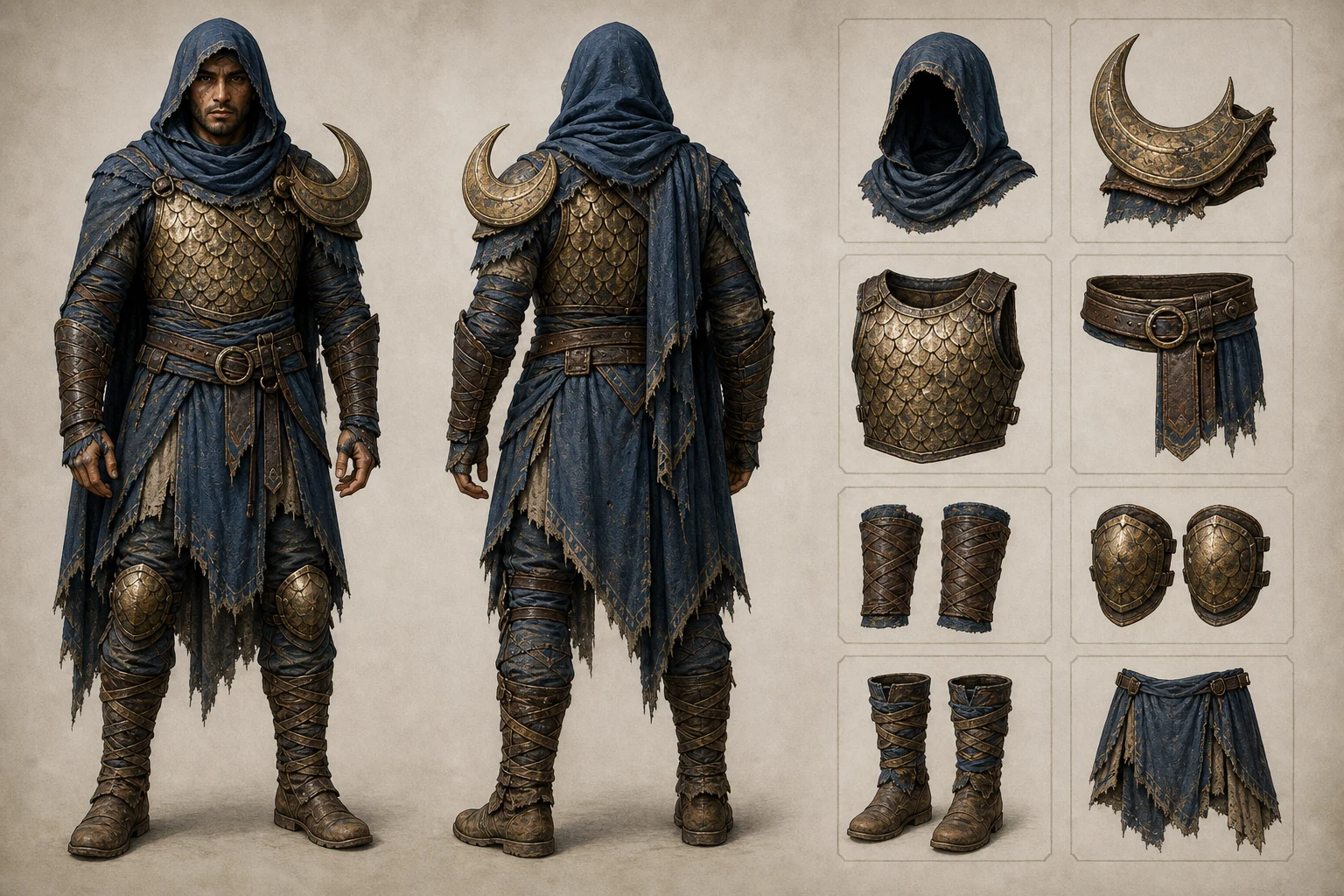
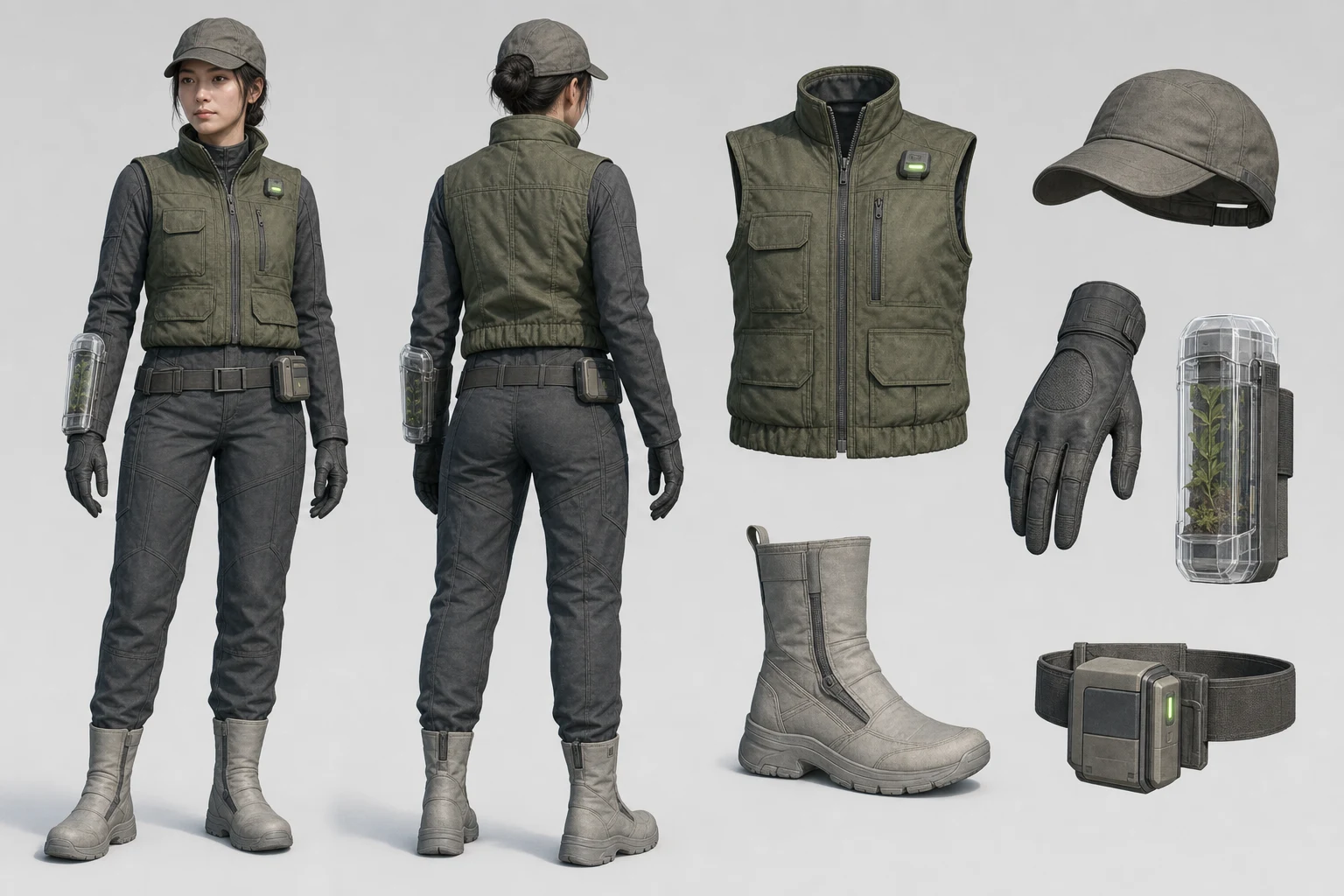
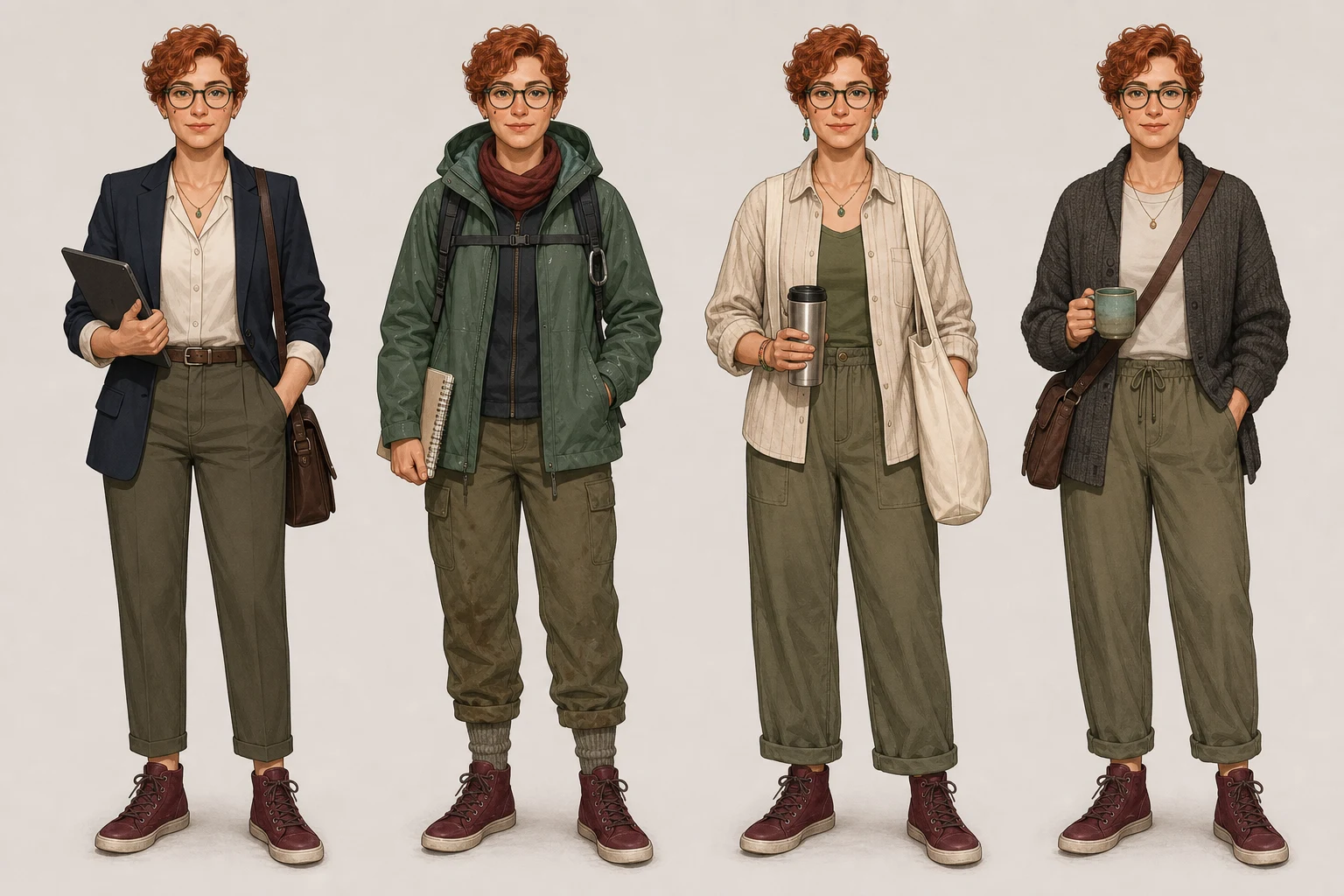
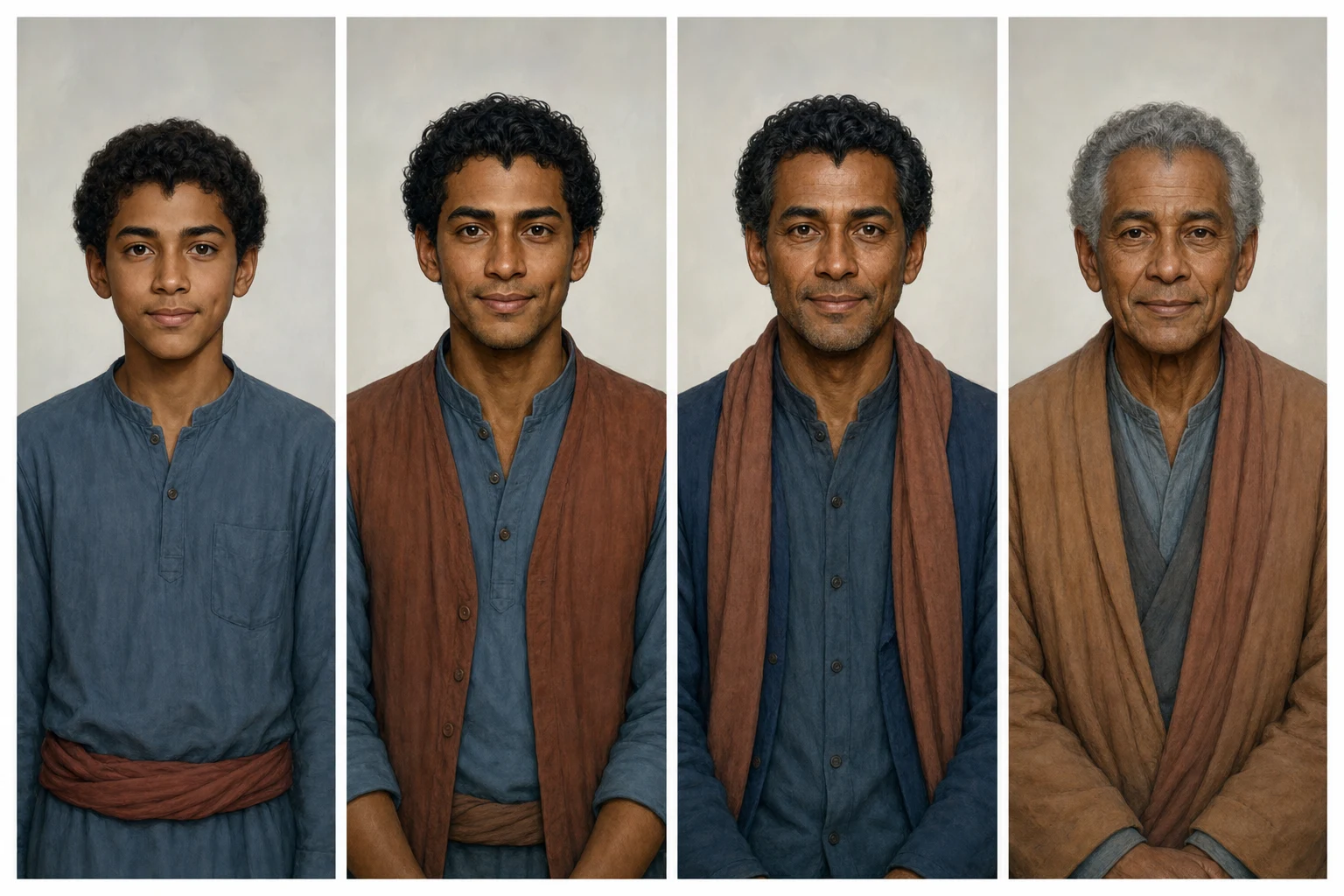
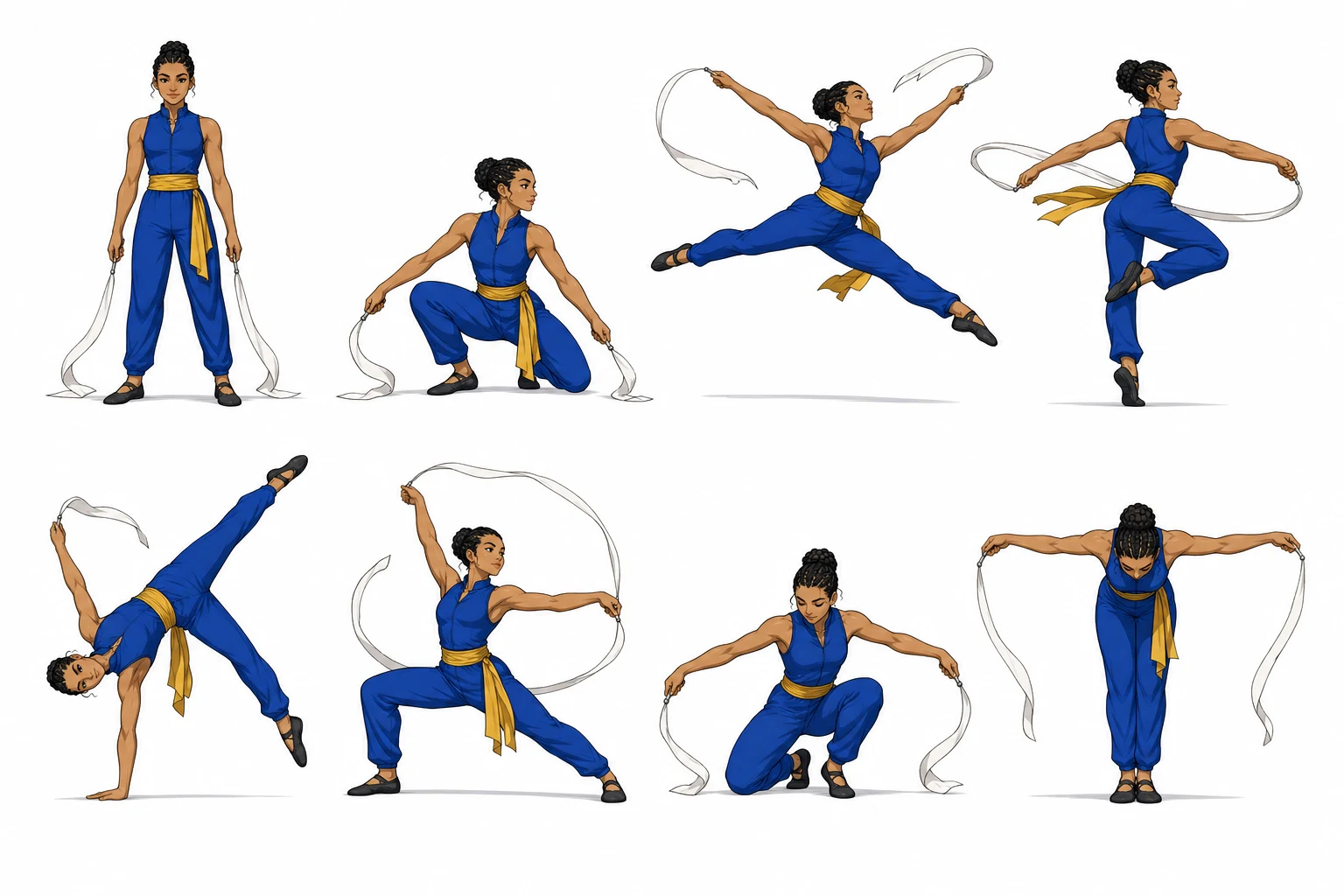
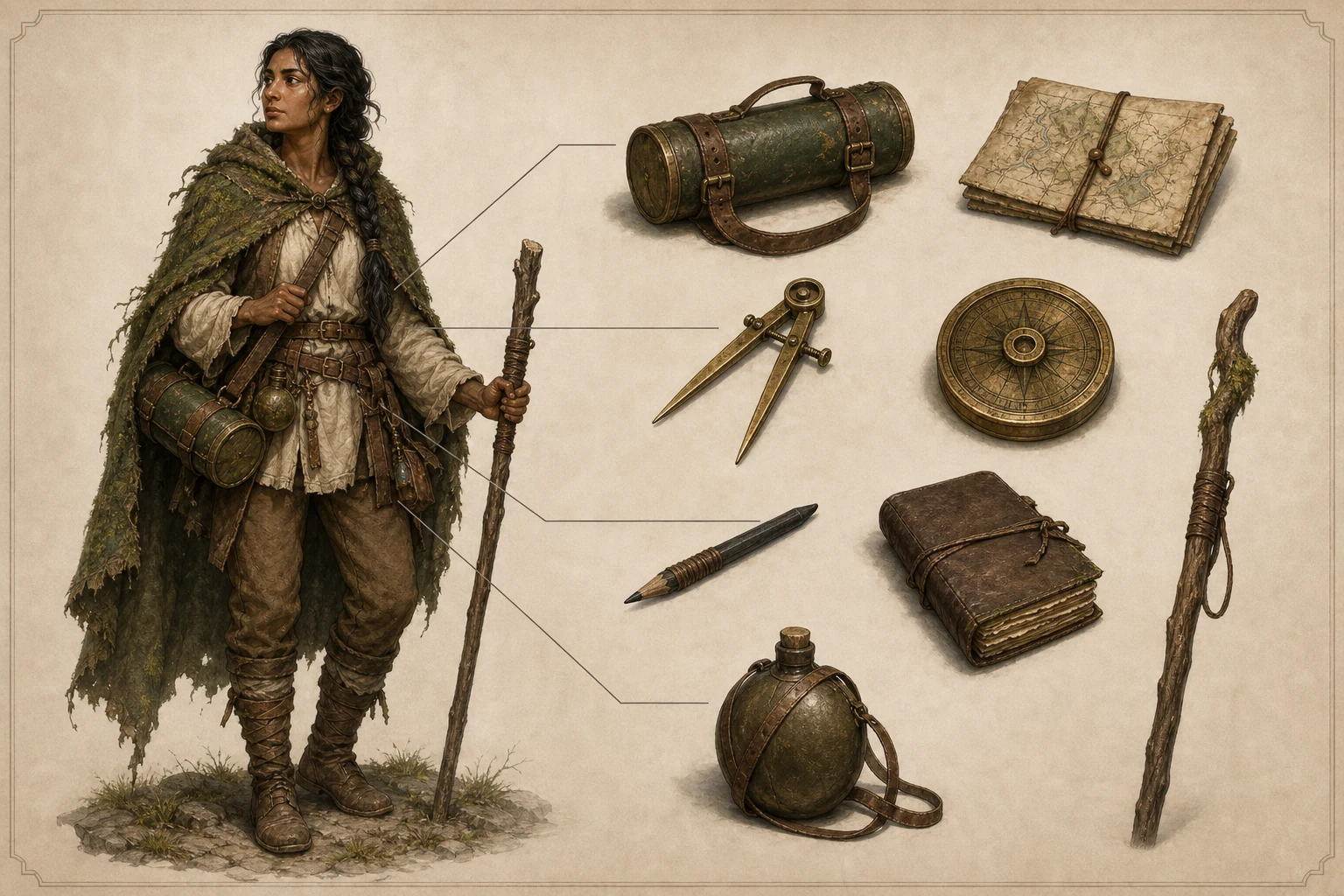
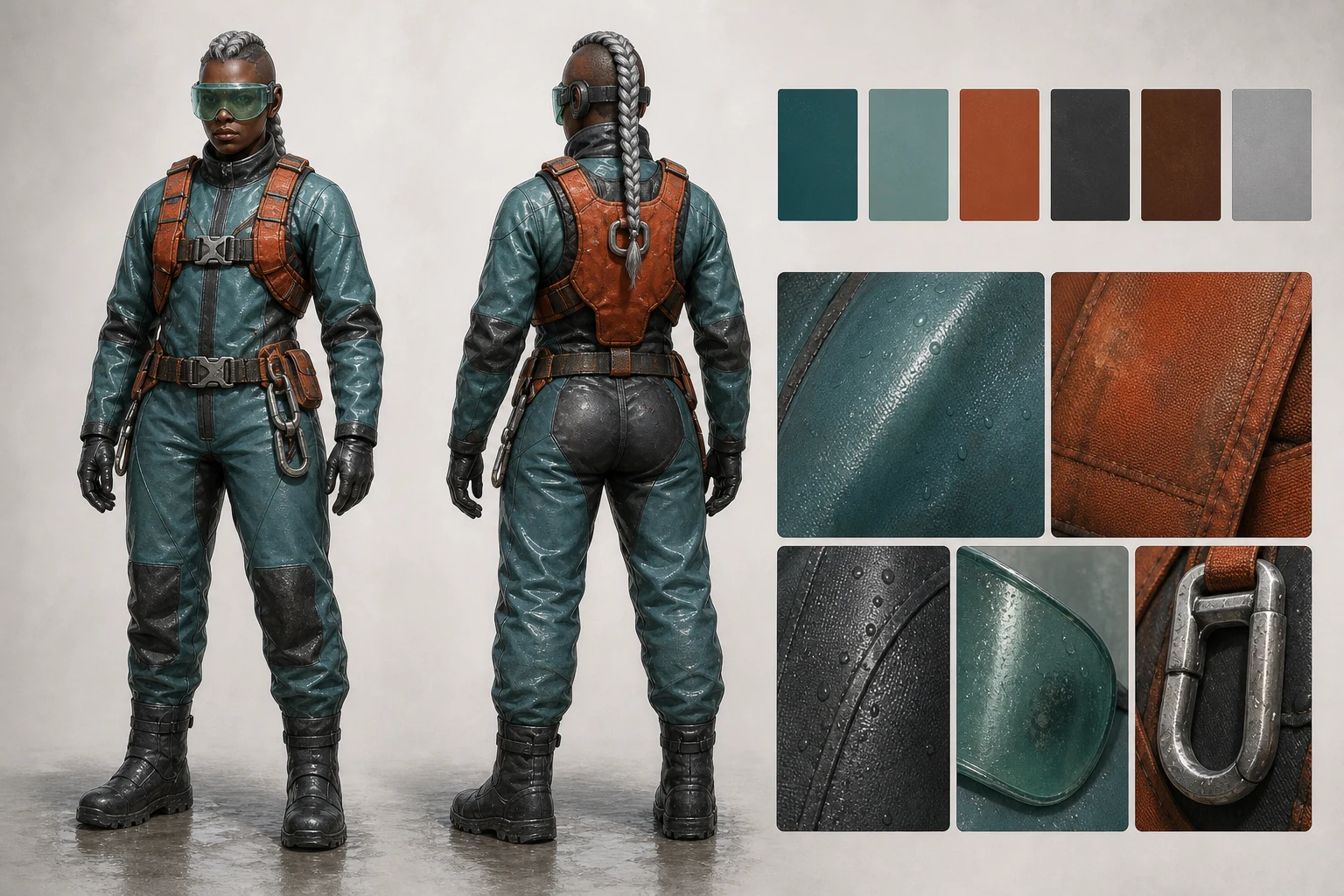
GPT Image 2 character sheet prompts are structured instructions for generating consistent original character references rather than isolated portraits. A strong prompt defines the task, subject, production context, visual style, sheet layout, neutral lighting, identity constraints, and final aspect ratio. The 15 copy-ready examples below cover turnarounds, expression matrices, mascots, realistic protagonists, children’s-book characters, game NPCs, armor, uniforms, outfit variants, age progression, poses, props, and material palettes. Each prompt was run as a separate GPT Image 2 generation and paired with its own reviewed output. Replace only the character details you need, keep the consistency constraints intact, and rerun any sheet that changes facial structure, proportions, clothing construction, or accessory placement between panels.
Copy tested GPT Image 2 prompts for turnarounds, expression sets, mascots, outfits, poses, props, and consistent original character references.
15 prompts · 15 reviewed GPT Image 2 results · Updated 2026-07-12
Choose the right character reference workflow
Use a turnaround to lock full-body construction, an expression matrix to plan facial acting, a variant sheet to compare outfits or life stages, and a callout sheet to define props and materials. Keep each generation focused on one production purpose so the result remains large enough to inspect.
GPT Image 2 character sheet FAQ
What should a GPT Image 2 character sheet prompt include?
Include the exact sheet task, an original subject description, the production use, visual style, panel layout, neutral lighting, fixed identity anchors, exclusions, and final aspect ratio. Stable anchors such as eye spacing, silhouette, garment seams, palette, and signature props make panel-to-panel comparison much easier.
How do I keep one character consistent across several views?
Describe a small set of non-negotiable identity anchors and explicitly require them to remain identical in every panel. Use one neutral camera system, equal figure scale, and consistent light. If the face or costume still drifts, rerun with a targeted correction instead of adding more unrelated detail.
Is a turnaround the same as an expression sheet?
No. A turnaround compares the full design from front, profile, and back, while an expression sheet compares facial acting without changing identity. Generate them as separate sheets when clarity matters; combining both often makes figures too small and increases layout errors.
Can I use these prompts for a game or animation project?
Yes, as concept references for original characters. Treat generated sheets as visual development material, not engineering specifications. Review anatomy, costume construction, prop logic, and design ownership before handing the result to illustrators, modelers, riggers, or animators.
Why does GPT Image 2 add unreadable labels to character sheets?
Dense layouts leave little space for reliable text. Ask for no readable text, use blank caption zones or leader lines, and add final labels manually. This also makes the image easier to localize and prevents invented names or technical notes from entering a production reference.
Are these character sheet prompts safe to copy for commercial work?
The examples use original characters, generic media, and fictional contexts without real brands, celebrities, protected characters, or living-artist style requests. You still need to check your own substituted names, references, source images, employer rules, model terms, and local laws before commercial use.